





Sikkim, a northeastern Indian state nestled in the lap of the Himalayas, is renowned for its rich cultural diversity and vibrant traditions.
Among its many cultural expressions, one of the most iconic is the Bakhu dress. Worn by both men and women, the Bakhu holds a special place in the identity of the people of Sikkim, reflecting their heritage, values, and lifestyle.
But what truly makes this attire stand out in the realm of traditional clothing? To understand the significance of the Bakhu, one needs to delve deeper into its history, design, and cultural importance.
Why has this garment, with its simple yet functional design, endured centuries of change and modernity? Let’s explore the fascinating world of the Bakhu, unraveling its roots, its evolution, and its role in preserving the cultural ethos of Sikkim.
What is the History of Bakhu Dress in Sikkim?
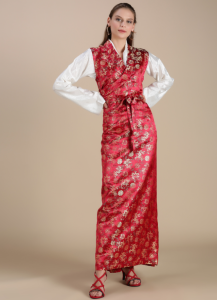
Image – Source
The Bakhu is one of the oldest garments in Sikkim, symbolizing the state’s cultural richness. Its history is closely tied to the ethnic groups of Sikkim, including the Lepchas, Bhutias, and Tibetans, each contributing their unique touch to the dress.
The garment has endured centuries of change, representing a blend of tradition and practicality. The Bakhu’s longevity speaks to its importance as more than just attire it is a piece of heritage.
Lepchas
The Lepchas, the original inhabitants of Sikkim, have worn the Bakhu since ancient times, possibly dating back to the 13th century. Their version of the Bakhu was functional, often crafted from natural fibers like cotton, and suited for the mountainous terrain. The Lepchas’ simple yet practical Bakhu reflects their deep connection with nature.
Bhutias
The Bhutias, who arrived from Tibet in the 15th century, brought with them more elaborate styles of the Bakhu. They incorporated thicker materials, such as wool, to withstand the cold Himalayan climate. Bhutias’ Bakhu was often more ornate, with intricate patterns that showcased their Tibetan heritage.
Tibetans
Tibetans began migrating to Sikkim in significant numbers in the 18th century, and their version of the Bakhu further solidified the garment’s design. Heavily influenced by traditional Tibetan attire, the Bakhu they introduced was a long, warm cloak made of wool, perfect for the cold weather of the Himalayan region.
How Has Tibetan Culture Influenced the Bakhu and Its Evolution?
The garment, akin to a loose cloak, has been worn for centuries, long before the modern political boundaries of the region were drawn. Its design reflects the influence of Tibetan culture, as Sikkim shares a historical connection with Tibet, both geographically and culturally.
Over time, the Bakhu has evolved, adapting to local needs and aesthetic preferences. Traditionally, it was crafted from heavy wool to protect against the cold mountainous climate.
However, as trade routes expanded and influences from other regions seeped in, the Bakhu began to incorporate lighter materials and subtle design variations, allowing it to be worn in different seasons.
The garment, though retaining its core structure, reflects the dynamic history of Sikkim and its people.
What Makes the Bakhu Dress Unique?
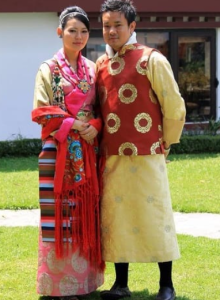
Image – Source
Unlike other traditional garments from India, the Bakhu stands out due to its minimalistic yet practical design.
The Bakhu is a wraparound dress, resembling a cloak that is fastened at the shoulder with a brooch or pin, while the rest of the garment is secured around the waist with a belt.
This simple structure allows for ease of movement and adaptability to the hilly terrain, which has historically shaped the lifestyle of Sikkimese communities.
For women, the Bakhu is usually worn over a long-sleeved blouse, known as a Honju, and paired with a full-length inner skirt. Men wear a similar version of the Bakhu, though it tends to be slightly shorter, typically reaching the knees.
Men often pair it with loose-fitting trousers underneath, making the ensemble suitable for the cooler Himalayan climate. The use of specific fabrics such as wool, silk, and cotton makes the Bakhu adaptable to both everyday wear and special occasions.
Why is the Bakhu Culturally Significant in Sikkim?
The Bakhu is more than just clothing. It reflects the Sikkimese way of life. Worn during festivals, religious ceremonies, and official gatherings, the Bakhu plays a key role in the cultural representation of Sikkim’s Indigenous communities.
Its simplicity and elegance symbolize humility, while its structured design speaks to the discipline and resilience of the people living in the challenging landscapes of the Himalayas.
During significant festivals like Losar (Tibetan New Year) and Saga Dawa (Buddha Jayanti), Sikkimese people don their best Bakhu, often in vibrant colors with intricate embroidery.
This attire adds to the festivity and reaffirms their cultural identity. The Bakhu’s design allows it to be customized according to the wearer’s social and economic status, with wealthier individuals often sporting Bakhu made from more luxurious fabrics like silk and adorned with elaborate patterns.
How is the Bakhu Worn Traditionally?
The way the Bakhu is worn is steeped in tradition. For women, the Bakhu is layered over a full-sleeved blouse and tied around the waist with a long belt known as the Kyetey.
Men, on the other hand, wear the Bakhu over a simple shirt and loose-fitting trousers, securing the outfit with a belt around the waist. Traditionally, men also add a woolen shawl or a jacket, especially in colder regions of Sikkim.
In addition to the Bakhu, traditional accessories enhance the look. Women often wear Perak, a ceremonial headdress adorned with turquoise stones and long, beaded necklaces.
Men, especially during ceremonial occasions, may carry a Khukuri, a curved knife worn in a sheath, symbolizing bravery and readiness.
How Has the Bakhu Been Reinterpreted in Modern Fashion?
While the Bakhu has retained its cultural essence, modern designers have brought contemporary twists to this traditional attire.
In recent years, fashion designers in Sikkim and beyond have begun reimagining the Bakhu, using lighter fabrics and blending traditional designs with modern cuts.
These modern interpretations allow the Bakhu to fit into more diverse wardrobes while maintaining its distinct identity. Young Sikkimese are now seen wearing a more casual version of the Bakhu in their daily lives.
The traditional elements remain intact, but these versions are more practical and comfortable for everyday use. This blending of old and new ensures that the Bakhu remains relevant, even as fashion trends evolve.
What Role Does the Bakhu Play in Sikkim’s Tourism?
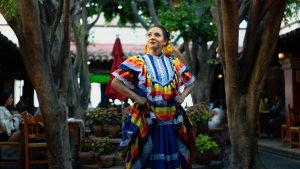
Sikkim’s growing tourism industry has also played a part in the revival and promotion of the Bakhu. As travelers from across the world flock to this Himalayan state, many are intrigued by the unique traditional clothing of its people.
The Bakhu, with its elegant design and cultural significance, has become a symbol of Sikkimese hospitality and heritage.
Tourists often have the opportunity to wear the Bakhu during cultural performances, festivals, or even for souvenir photographs, offering them a deeper connection to Sikkim’s local traditions.
Additionally, the growing interest in responsible tourism has emphasized supporting local artisans who craft Bakhu using traditional methods.
Is the Bakhu Part of the Sustainability Movement?
In an era where sustainability in fashion is gaining momentum, the Bakhu stands as an example of traditional, eco-friendly clothing.
Most Bakhu garments are crafted from natural fibers such as wool and cotton, both of which are locally sourced and sustainable.
The slow, artisanal process of making a Bakhu supports local craftsmanship, promoting the use of handwoven fabrics and small-scale production.
Additionally, the Bakhu is a long-lasting garment that can be worn for years, embodying the principles of slow fashion, which advocates for timeless designs over fast, disposable trends.
The sustainable aspect of the Bakhu aligns with global efforts to reduce fashion waste and promote eco-friendly choices.
Conclusion
In a world where fashion trends come and go, the Bakhu dress of Sikkim remains a timeless symbol of cultural pride, identity, and sustainability.
While it has adapted to modern sensibilities, the Bakhu retains its essential connection to the heritage and values of the people of Sikkim.
By continuing to wear and cherish this traditional attire, the people of Sikkim preserve their history and pass it down to future generations.
FAQs About Bakhu Dress of Sikkim
What is the Bakhu, and who wears it?
The Bakhu is a traditional garment worn by the indigenous people of Sikkim, particularly the Bhutia, Lepcha, and Tibetan communities. Both men and women wear variations of the Bakhu, typically during festivals, ceremonies, and daily life.
How is the Bakhu different from other Himalayan attire?
While similar to Tibetan and Bhutanese garments, the Bakhu is distinct in its design. It is a loose cloak tied at the waist, with separate versions for men and women, emphasizing simplicity and practicality for the mountainous lifestyle.
When do people wear the Bakhu in Sikkim?
The Bakhu is worn both for everyday use and special occasions. It is especially prominent during cultural festivals like Losar, Saga Dawa, and other regional celebrations.
Can tourists try on the Bakhu during their visits?
Yes, many cultural tours and events in Sikkim offer tourists the chance to wear the Bakhu and experience local customs firsthand.
What are the key materials used to make Bakhu?
The Bakhu is traditionally made from wool or cotton, though modern versions can also include silk or lighter fabrics for different weather conditions.
How has the Bakhu changed over time?
While the basic structure of the Bakhu remains the same, it has adapted in terms of materials and design. Modern Bakhu garments are often made with lighter fabrics and can incorporate contemporary fashion elements.
Is the Bakhu worn in other parts of India besides Sikkim?
While the Bakhu is predominantly worn in Sikkim, some neighboring regions with cultural ties to Sikkim, such as parts of Darjeeling, may also wear similar attire.