




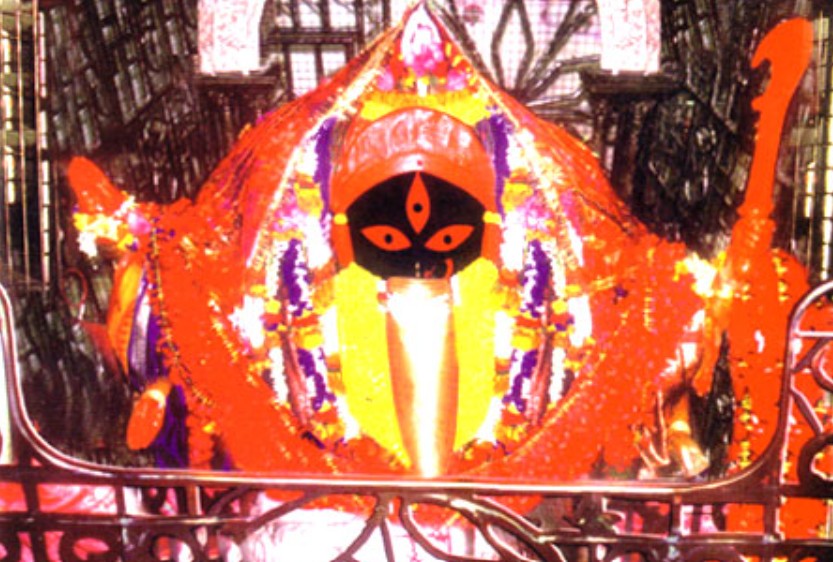

Are you planning a spiritual journey to Kalighat Temple in 2025 and wondering what the ideal time is to visit? Kalighat Kali Temple is one of the most revered Shakti Peethas in India, attracting thousands of devotees and tourists throughout the year.
Located in the heart of Kolkata, this ancient temple is not only a religious landmark but also a significant cultural and historical destination. Whether you wish to attend the sacred aarti, experience the energy of the temple during a festival, or simply soak in the divine atmosphere, knowing the right timing is essential.
This detailed guide will walk you through the temple’s daily opening hours, aarti schedules, puja rituals, and best times to visit, along with useful tips on dress code, VIP darshan, and travel. Let’s help you plan a peaceful, enriching, and timely visit to Kalighat Temple in 2025.
What Are the Opening and Closing Timings of Kalighat Temple in 2025?
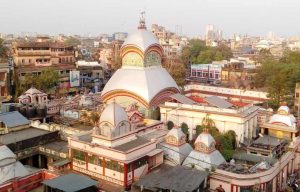
Image – Source
The Kalighat Temple in Kolkata is open every day, welcoming devotees in both morning and evening sessions. In 2025, the temple continues to maintain its traditional schedule, which includes a break during the midday hours for Bhog and temple rituals.
It’s important to note that timings may vary slightly during festivals or on special days like Tuesdays, Saturdays, and Ashtami. During weekdays, the temple generally opens at 5:00 AM for general darshan, and early risers can also witness the Mangal Aarti, which begins around 4:00 AM.
After the morning rituals and darshan, the temple closes temporarily around 2:00 PM and reopens again in the evening by 5:00 PM. The closing hours extend up to 10:30 PM on regular days and may go till 11:30 PM on weekends and special occasions.
To make your visit easier, here’s the detailed day-wise timing for 2025:
| Day | Morning Hours | Evening Hours |
| Monday | 5:00 AM – 2:00 PM | 5:00 PM – 10:30 PM |
| Tuesday | 5:00 AM – 2:00 PM | 5:00 PM – 11:30 PM |
| Wednesday | 5:00 AM – 2:00 PM | 5:00 PM – 10:30 PM |
| Thursday | 5:00 AM – 2:00 PM | 5:00 PM – 10:30 PM |
| Friday | 5:00 AM – 2:00 PM | 5:00 PM – 10:30 PM |
| Saturday | 5:00 AM – 2:00 PM | 5:00 PM – 11:30 PM |
| Sunday | 5:00 AM – 2:00 PM | 5:00 PM – 11:30 PM |
Visiting early in the morning is usually the best to avoid crowds and experience a peaceful darshan.
When Are the Morning and Evening Aartis Performed at Kalighat Temple?
Attending the aarti at Kalighat Temple is a divine experience you shouldn’t miss. The temple performs two main aartis every day, one at dawn and another in the evening, both accompanied by traditional chants and rituals.
The morning aarti, also known as Mangal Aarti, starts as early as 5:00 AM. It marks the beginning of the day’s spiritual proceedings and includes sacred offerings, ringing bells, and devotional hymns. This is followed by the Nitya Puja, typically performed from 5:30 AM to 7:00 AM.
The evening aarti, referred to as Sandhya Aarti, takes place at 6:30 PM. This spiritual ritual is especially popular among devotees who visit after work or during weekends. The aarti includes lighting of lamps, offering incense, and traditional music that fills the temple atmosphere with serenity.
Here’s a quick overview of the aarti timings:
| Aarti/Puja | Mon/Wed/Thu/Fri | Tue/Sat/Sun |
| Mangal Aarti | 4:00 AM | 4:00 AM |
| Nitya Puja | 5:30 AM – 7:00 AM | 5:30 AM – 7:00 AM |
| Sandhya Aarti | 6:30 PM – 7:00 PM | 6:30 PM – 7:00 PM |
| Bhog Rag | 2:00 PM – 3:00 PM | 2:30 PM – 3:30 PM |
During festivals and special days like Kali Puja or Navratri, the aarti timings might be adjusted to accommodate larger crowds and extended rituals.
Are There Any Entry Fees or VIP Darshan Options?
Entry to Kalighat Temple is completely free for all devotees. There is no mandatory fee to access the main temple or participate in the general darshan. However, you might be approached by local pandas (priests) offering special puja services, which are entirely optional.
If you prefer to skip the long queues, especially on weekends or festivals, VIP darshan options are available. These generally involve a small donation or informal fee, depending on the day and crowd. The amount varies but is usually reasonable.
Offering Bhog or Prasad to the deity is another common practice. Shops outside the temple sell pre-packaged Bhog items that you can purchase and offer inside. These are not included in entry and should be bought separately if desired.
To sum up, visiting Kalighat doesn’t require any formal ticket, but donations and VIP options are available for a smoother experience.
What Is the Best Time to Visit Kalighat Temple?
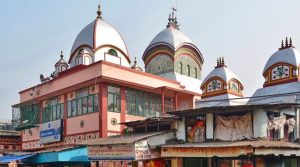
Image – Source
Choosing the right time to visit Kalighat Temple can greatly enhance your experience. The temple sees heavy footfall on Tuesdays and Saturdays, considered highly auspicious for worshipping Goddess Kali. Ashtami days, particularly during Navratri, also attract large crowds.
From a seasonal perspective, October to March is the best time to visit. This period offers pleasant weather, coinciding with major festivals like Kali Puja, Durga Puja, and Pohela Boishakh, making it spiritually vibrant and culturally rich.
Here’s a quick breakdown to help you plan:
| Month | Festival/Event | Weather | Visitor Note |
| October | Navratri, Kali Puja | Pleasant | Best festive experience, crowded |
| November | Post-Kali Puja | Cool | Good for peaceful darshan |
| December | Winter holidays | Cool | Less crowd in early mornings |
| January | Makar Sankranti period | Chilly | Suitable for morning visits |
| February | Off-season | Mild | Ideal for calm, crowd-free visit |
| March | Pre-summer festivals | Warm | Manageable crowd, good for darshan |
Early mornings around 5:00 AM are less crowded and spiritually enriching. Evenings can be more vibrant but may have longer queues, especially on weekends.
How Can You Reach Kalighat Temple Easily?
Kalighat Temple is located in South Kolkata and is well-connected by road, metro, rail, and air. Whether you’re coming from within the city or arriving from outside Kolkata, you’ll find several convenient travel options.
By Metro: Nearest Stations
- Kalighat Metro Station (South Exit): Closest and most recommended.
- Jatin Das Park Metro Station (North Exit): Also within walking distance.
Use Kolkata Metro’s Blue Line for direct access to these stations.
By Bus: Major Routes and Stops
- Take any bus heading to Shyama Prasad Mukherjee Road.
- Get down at Kalighat Bus Stop, then walk a short distance to the temple.
- Frequent city and mini buses are available from Esplanade, Garia, and Howrah.
By Train: Nearby Railway Stations
- Howrah Junction: Approximately 10–12 km from Kalighat, well-connected across India.
- From Howrah, take a taxi, local train, or metro to reach the temple.
- Sealdah Station is another accessible option, located around 8 km away.
By Air: Distance from Kolkata Airport
- Netaji Subhash Chandra Bose International Airport is the nearest airport.
- Distance: Around 25 kilometers
- Travel time: Approximately 50 minutes to 1 hour by cab
- App-based taxi services like Ola and Uber are available at the airport.
Reaching Kalighat Temple is smooth and convenient through any of these modes. Always plan your arrival early during weekends to avoid traffic and crowds.
What Is the History Behind Kalighat Kali Temple?
The Kalighat Temple’s origins trace back centuries and are steeped in spirituality and mythology. Believed to be one of the 51 Shakti Peethas, the temple marks the sacred spot where the right toe of Goddess Sati is said to have fallen during Lord Shiva’s Rudra Tandav.
The presence of the Swambhu Lingam of Nakuleshwar Bhairav near the site further elevates its spiritual relevance. The earliest references to the Kalighat area date back to the 15th century, but the original temple was a modest hut.
In the early 16th century, King Manasingha took the initiative to commission a more structured temple. The current temple structure was completed around 1809 under the patronage of the Sabarna Roy Chowdhury family.
Kalighat has also yielded archaeological findings such as Gupta-era coins, suggesting its antiquity and historical significance in ancient India’s religious landscape.
What Are the Key Spots Inside the Kalighat Temple Premises?
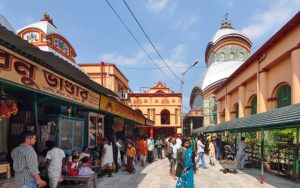
Image – Source
The Kalighat Temple is more than just the main sanctum. It is a spiritual complex with various sacred spaces that contribute to its historical and religious essence.
What Is the Natmandir and Why Is It Important?
- Natmandir is a large rectangular verandah built adjacent to the main temple.
- Constructed by Zamindar Kashinath Roy in 1835, it offers a clear view of the idol.
- Devotees gather here to participate in rituals and aartis.
Where Are the Sosthi Tala and Harkath Tala Located?
- Sosthi Tala is a three-foot-high altar with three stones, representing Goddesses Sosthi, Shitala, and Mangal Chandi.
- Built by Gobinda Das Mondal in 1880, it is also considered the samadhi of Brahmananda Giri.
- Harkath Tala lies beside the Natmandir and is used for animal sacrifices during specific pujas.
Can You Visit the Radha-Krishna Temple Inside the Complex?
- Yes, the Radha-Krishna Temple, locally known as Shamo-Ray, lies to the west of the main temple.
- Built in 1723 and renovated in 1843, it maintains a separate vegetarian bhog kitchen.
What Is Kundupukur and Its Significance?
- Located southeast of the main temple, Kundupukur is a sacred water tank.
- Spanning 7,200 square feet, its waters are believed to be as holy as the Ganga.
- In ancient times, the ‘Sati Anga’ (toe) was said to have been discovered here.
These spiritual landmarks within the Kalighat premises enrich your experience and offer deeper insights into Hindu traditions.
Conclusion
Your visit to Kalighat Temple in 2025 promises to be a spiritually uplifting journey if planned well. Knowing the daily darshan and aarti timings can help you avoid long queues and ensure a more peaceful experience.
The temple’s rich history, sacred rituals, and mystical aura make it a revered destination for both spiritual seekers and culture enthusiasts. Whether you choose to visit during a grand festival like Kali Puja or on a quiet weekday morning, Kalighat offers a unique connection to divinity and heritage.
Don’t forget to respect the dress code, arrive early, and explore the various holy spots inside the temple complex. As one of India’s most iconic Shakti Peethas, Kalighat continues to hold the power to inspire, heal, and bless every visitor who walks through its ancient doors.
FAQs
What are Kalighat Temple’s regular opening hours?
Kalighat Temple opens from 5:00 AM to 2:00 PM and then again from 5:00 PM to 10:30 PM. The hours may extend to 11:30 PM on special days.
Is there any entry fee to visit Kalighat Temple?
There is no official entry fee for general darshan at Kalighat Temple. VIP darshan may require a donation or small payment.
When does the morning aarti begin at Kalighat Temple?
The morning Mangal Aarti begins at 5:00 AM daily. Early visitors can also witness the Nitya Puja from 5:30 AM.
Are cameras or mobile phones allowed inside the temple?
Photography inside the sanctum is strictly prohibited. You may be allowed to carry phones, but usage is discouraged.
What should you wear when visiting Kalighat Temple?
Traditional attire is preferred, such as sarees, dhotis, or churidars. Avoid sleeveless tops, shorts, or revealing outfits.
Which days are most crowded at Kalighat Temple?
Tuesdays, Saturdays, and Ashtami days are the busiest. Festivals like Kali Puja also attract massive crowds.
How can I reach Kalighat Temple from Kolkata airport?
You can reach Kalighat Temple by cab in about 50 minutes from Netaji Subhash Chandra Bose International Airport. Metro and buses are also available for connectivity.
Disclaimer
India Travel App does not own the above images used in this blog; the copyrights of those images belong to the respective owners only.