






Have you ever wondered why Vrindavan, a small town in Uttar Pradesh, India, is revered as the land of Lord Krishna? Among its many sacred temples, Radha Raman Temple stands out as a symbol of divine grace and spiritual bliss. Built in 1542 by Gopal Bhatt Goswami, this temple is one of the seven main temples of Vrindavan dedicated to Lord Krishna.
Unlike other temples, Radha Raman Temple is unique for its self-manifested deity, a rare phenomenon in Hindu spirituality. The temple’s serene atmosphere, intricate architecture, and powerful spiritual vibrations make it a must-visit for devotees and seekers alike.
As you step inside, the aura of devotion and the sacred chants envelop your soul, offering a glimpse into the divine love of Radha and Krishna. Join us as we explore the history, significance, and beauty of Radha Raman Temple Vrindavan in this spiritual journey.
Why is Radha Raman Temple in Vrindavan Considered One of the Most Sacred Temple?
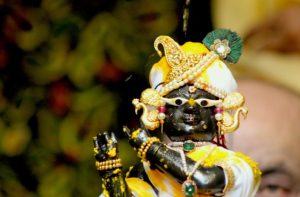
Image – Source
Radha Raman Temple is considered one of the most sacred temples in Vrindavan because it houses a unique self-manifested deity of Lord Krishna, known as Radha Raman.
According to legend, the deity emerged from a Shaligram Shila, a sacred stone, under the devotion of Gopal Bhatt Goswami, one of the six Goswamis of Vrindavan. This miraculous manifestation is considered a divine act, symbolizing Krishna’s eternal presence in the temple.
The temple is also spiritually significant due to its connection with Chaitanya Mahaprabhu, the great saint who spread the message of Bhakti Yoga. Gopal Bhatt Goswami, a disciple of Mahaprabhu, established the temple as a center of devotion and spiritual learning.
Pilgrims from across the world visit the temple to experience the divine vibrations and offer their prayers. The sanctity of the place is further enhanced by the daily rituals, which have remained unchanged for centuries, preserving its sacredness and spiritual energy.
What Makes It Unique Among Vrindavan Temples?
Radha Raman Temple stands out among the many temples in Vrindavan for its unique deity and timeless traditions. Unlike most temples that house deities crafted by artisans, the Radha Raman deity is believed to be self-manifested.
This divine form of Krishna emerged miraculously from a Shaligram Shila worshipped by Gopal Bhatt Goswami. Devotees believe that Krishna’s presence in this deity is direct and potent, making it a focal point for spiritual seekers.
The temple is also unique because it is one of the very few in Vrindavan that does not have a separate idol for Radha. Instead, a crown placed next to Lord Radha Raman symbolizes her presence.
This representation is deeply symbolic, highlighting the inseparable love and devotion between Radha and Krishna. Furthermore, the temple rituals and worship are carried out in their original form as established by Gopal Bhatt Goswami, keeping the sacredness intact.
A Glimpse into the Divine Aura and Spiritual Journey of Radha Raman Temple
Stepping into Radha Raman Temple is like stepping back in time, where devotion and divinity merge into a single experience. The temple’s serene atmosphere, filled with the sound of holy chants and the fragrance of flowers, creates an aura of spiritual bliss.
The rituals, performed by the descendants of Gopal Bhatt Goswami, follow the same traditions set over 500 years ago. Devotees gather to witness the magnificent Mangla Aarti in the early hours, where the deity is awakened with songs of devotion.
As you move through the temple, you can feel the divine vibrations that echo through its halls. The deity of Radha Raman, with his delicate features and enchanting smile, captivates the hearts of all who gaze upon him.
Pilgrims often share experiences of inner peace and divine connection upon visiting, making it not just a visit but a spiritual journey that stays with them. Radha Raman Temple is not just a place of worship; it is a doorway to experiencing the eternal love and devotion of Radha and Krishna.
What is the History of Radha Raman Temple Vrindavan?
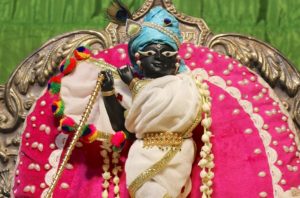
Image – Source
Radha Raman Temple was established in 1542 by Gopal Bhatt Goswami, one of the six principal Goswamis of Vrindavan. The temple holds immense historical and spiritual significance, as it marks the miraculous appearance of Radha Raman, a self-manifested deity of Lord Krishna.
The origins of Radha Raman Temple and its establishment:
- Founded by Gopal Bhatt Goswami after a divine instruction from Chaitanya Mahaprabhu.
- The deity emerged from a Shaligram Shila during the festival of Narsimha Jayanti.
- The temple is part of the sacred Sapta Devalaya, the seven main temples of Vrindavan.
The divine appearance of the Radha Raman deity:
- Legend states that Gopal Bhatt Goswami longed to serve Krishna in a form that he could adorn with his own hands.
- One morning, his wish was miraculously fulfilled when the Shaligram Shila transformed into the beautiful deity of Radha Raman.
Role of Gopal Bhatt Goswami in the temple’s creation:
- Gopal Bhatt Goswami’s unwavering devotion led to the manifestation of the deity.
- His descendants have continued the tradition of worship for over 500 years, maintaining the temple’s sanctity and devotion.
The history of Radha Raman Temple is a timeless tale of devotion, miracles, and divine intervention. Its sacred origins reflect the deep spiritual bond between Gopal Bhatt Goswami and Lord Krishna. Visiting the temple is like stepping into a living legacy of Vrindavan’s rich spiritual heritage.
Why is the Radha Raman Deity So Special?
The deity of Radha Raman is revered as one of the most special forms of Krishna for its self-manifested nature and divine presence. Unlike other idols crafted by human hands, Radha Raman appeared miraculously from a sacred Shaligram Shila, making it an embodiment of pure divinity.
Unique characteristics of the deity self-manifested (Swayambhu):
- Radha Raman is believed to be self-manifested, emerging directly from a Shaligram Shila worshipped by Gopal Bhatt Goswami.
- The deity has intricate features, including eyes, lips, and limbs, that are said to be divinely crafted.
The divine significance of Radha Raman without Radha’s separate idol:
- Unlike other Krishna temples, Radha is symbolically represented through a golden crown placed next to Radha Raman.
- This unique representation signifies the eternal bond between Radha and Krishna, uniting them spiritually.
Spiritual beliefs and legends associated with the deity:
- Devotees believe that Radha Raman’s divine presence brings blessings of peace, devotion, and spiritual fulfillment.
- His daily worship rituals are said to purify the soul and elevate spiritual consciousness.
The Radha Raman deity is a living symbol of divine grace and spiritual purity, captivating devotees with its miraculous self-manifestation. Its uniqueness lies not just in its form but in the eternal connection it symbolizes between Radha and Krishna. Worshipping Radha Raman is experiencing the essence of Vrindavan’s devotion.
How is the Architecture of Radha Raman Temple Designed?
Radha Raman Temple is a classic example of traditional Vrindavan architecture, designed with spiritual symbolism and intricate artistry. The temple is built with red sandstone and beautifully carved arches that reflect the devotional essence of its time.
The entrance of the temple leads to the main hall, where devotees gather to offer prayers and sing devotional songs. The sanctum sanctorum houses the deity of Radha Raman, exquisitely adorned with jewels and flowers.
The architecture of the altar is simple yet majestic, allowing the divine presence of Radha Raman to be the focal point of devotion.
The temple’s walls are engraved with scriptures and stories from the life of Krishna, symbolizing his eternal presence in Vrindavan. The flooring is made of white marble, adding to the temple’s serene and pure ambiance.
The entire structure is a beautiful blend of devotion and artistic elegance, making it a revered pilgrimage site.
What are the Timings and Rituals Followed at Radha Raman Temple?
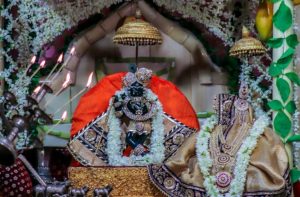
Image – Source
Radha Raman Temple follows a strict schedule of rituals that are carried out with devotion and reverence every single day. The temple opens its doors at dawn for the Mangla Aarti, where devotees gather to witness the deity being awakened with sacred hymns and prayers.
Throughout the day, different rituals are performed, each signifying a particular phase of devotion. The deity is bathed, adorned with fresh flowers, and offered various types of bhog (offerings), including sweets, fruits, and traditional delicacies.
The daily rituals at Radha Raman Temple are divided into specific time slots:
| Ritual | Timing | Description |
| Mangla Aarti | 5:00 AM | The first worship of the day, awakening Radha Raman. |
| Shringar Aarti | 8:00 AM | Dressing the deity with fresh garments and flowers. |
| Rajbhog Aarti | 12:30 PM | Main offering of food, including sweets and fruits. |
| Utthapan Aarti | 4:00 PM | Waking the deity from his afternoon rest. |
| Sandhya Aarti | 6:30 PM | Evening prayer with devotional songs and offerings. |
| Shayan Aarti | 8:30 PM | Preparing the deity for rest. The temple closes after this. |
During major festivals, the temple extends its worship hours, and special bhajans and kirtans are performed. Each ritual is a divine experience, bringing devotees closer to the essence of Radha and Krishna’s eternal love.
The timeless rituals of Radha Raman Temple are a testament to its spiritual legacy, providing a divine experience to all who seek Krishna’s blessings.
Which Festivals are Celebrated at Radha Raman Temple?
Radha Raman Temple is not just a place of daily worship; it also comes alive with grand celebrations during festivals. These events are marked with elaborate decorations, devotional singing, and special rituals, drawing thousands of devotees from across the world. Some of the major festivals celebrated at the temple include:
- Janmashtami: The birth anniversary of Lord Krishna, celebrated with midnight prayers and a grand feast.
- Radhashtami: The appearance day of Radha Rani, marked with special aartis and bhajans.
- Jhulan Yatra: A five-day festival where the deity is placed on a beautifully decorated swing, symbolizing the playful nature of Krishna.
- Narsimha Jayanti: The day when the self-manifested deity of Radha Raman appeared, celebrated with devotion and grandeur.
- Vasant Panchami: The arrival of spring, celebrated with yellow flowers and special prayers.
During these festivals, the temple is adorned with flowers and lights, creating an atmosphere of pure devotion. Devotees participate in singing, dancing, and offering prayers, making the celebration deeply spiritual and joyous.
The festivals at Radha Raman Temple are a beautiful reflection of Vrindavan’s devotion, bringing life to centuries-old traditions and Krishna’s eternal love.
How Can You Reach Radha Raman Temple Vrindavan?
Reaching Radha Raman Temple in Vrindavan is convenient, thanks to its location in the heart of the sacred city. The temple is easily accessible through various modes of transport:
- By Road: Vrindavan is well-connected with major cities like Delhi and Agra. Regular buses and private cabs are available.
- By Train: The nearest railway station is Mathura Junction, just 12 km away from Vrindavan. Local transport like auto-rickshaws can be hired from there.
- By Air: The nearest airport is Indira Gandhi International Airport in Delhi, around 150 km away. From there, you can take a cab or bus to Vrindavan.
Once you reach Vrindavan, Radha Raman Temple is easily accessible by local rickshaws. The best time to visit is during festivals or early morning hours when the temple is less crowded and the atmosphere is serene.
Visiting Radha Raman Temple is a journey of devotion, and with convenient travel options, reaching this sacred shrine is as blissful as the experience itself.
What Should You Expect During Your Visit?
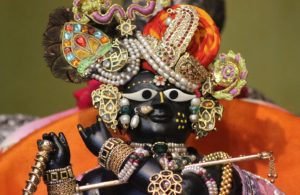
Image – Source
A visit to Radha Raman Temple is not just a spiritual journey; it is an experience that transcends ordinary life. The temple’s serene environment and divine aura offer a sense of peace that is hard to find elsewhere. Upon entering, the soft chanting of mantras, the fragrance of incense, and the sight of devotees in prayer fill the atmosphere with devotion.
When visiting, keep in mind:
- Spiritual Atmosphere: Expect an environment filled with devotional songs and the constant chanting of Krishna’s name.
- Temple Etiquette: Visitors are expected to remove their shoes and dress modestly as a sign of respect.
- Recommended Experiences: Attend the Mangla Aarti at dawn and the Sandhya Aarti in the evening. Also, try to participate in Parikrama, the circumambulation around the temple, for spiritual cleansing.
The aura of Radha Raman Temple is such that it leaves a lasting impact on devotees, instilling a sense of purity and divine love.
A visit to Radha Raman Temple is a spiritual experience that lingers in the soul, leaving devotees with a deeper connection to Krishna’s divine grace.
Conclusion
Radha Raman Temple in Vrindavan is more than just a place of worship; it is a spiritual gateway that connects devotees with the divine love of Radha and Krishna.
Its unique self-manifested deity, preserved rituals, and sacred atmosphere make it one of the most cherished temples in Vrindavan. Each visit to this holy shrine is an invitation to experience the divine aura and immerse oneself in the eternal love story of Radha and Krishna.
Whether you are a pilgrim seeking blessings or a traveler exploring spiritual India, Radha Raman Temple offers an experience that remains etched in your heart forever.
Embrace the divine vibrations of Radha Raman Temple, and let the eternal love of Radha and Krishna touch your soul.
FAQs
What is the story behind the self-manifested deity of Radha Raman?
Radha Raman is believed to have miraculously emerged from a Shaligram Shila worshipped by Gopal Bhatt Goswami, symbolizing Krishna’s eternal presence.
Are there specific days for special darshan at Radha Raman Temple?
Yes, special darshans are held during major festivals like Janmashtami, Radhashtami, and Narsimha Jayanti, attracting thousands of devotees.
Can non-Hindus visit the Radha Raman Temple in Vrindavan?
Yes, non-Hindus are welcome to visit Radha Raman Temple and experience its divine atmosphere, though entry into the inner sanctum may be restricted.
What is the dress code for visiting Radha Raman Temple?
Visitors are expected to dress modestly, covering their shoulders and legs as a mark of respect to the temple’s sacred environment.
Is photography allowed inside the temple premises?
Photography is generally not allowed inside the main temple hall to maintain the sanctity and spiritual focus of the shrine.
What are the accommodation options near Radha Raman Temple?
There are several guesthouses and hotels around the temple, offering comfortable stays for pilgrims and tourists alike.
How crowded does the temple get during major festivals?
During major festivals, the temple sees a surge of devotees, making it quite crowded, especially during aarti times.
Featured Image – Source
Disclaimer
India Travel App does not own the above images used in this blog; the copyrights of those images belong to the respective owners only.