



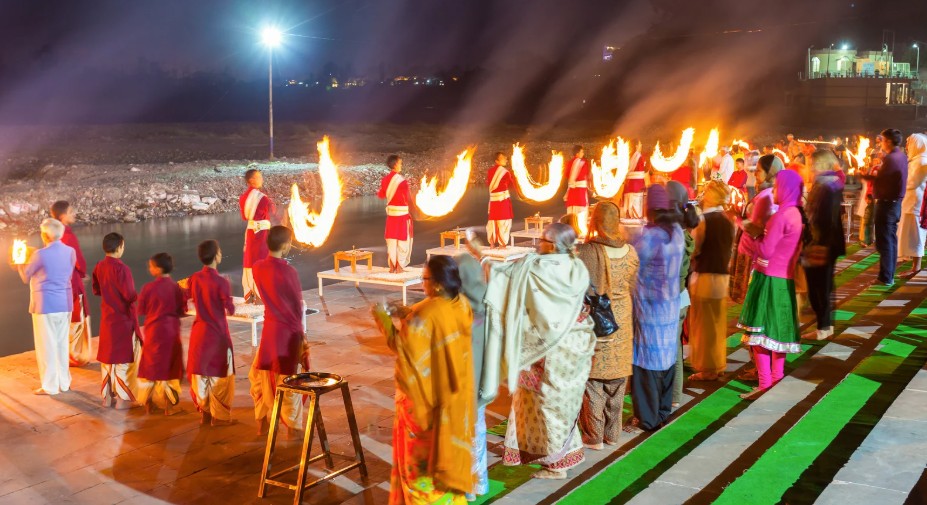

Have you ever wondered what makes the Ganga Aarti in Rishikesh one of the most spiritually uplifting experiences in India? As the sun begins to dip beyond the Himalayan foothills, the sacred banks of the Ganges come alive with chanting, bells, and glowing lamps in perfect harmony. This is the daily ritual of Ganga Aarti, an enchanting tradition that blends devotion, music, and fire in one soul-stirring event.
Every evening, people from across the country and the world gather to witness the Aarti. Whether it’s your first time in Rishikesh or you’re planning a return trip, understanding the exact aarti timing, location options, and best practices can transform your experience from just a visit into a lifetime memory.
In this guide, we cover everything you need to know about the Rishikesh Ganga Aarti timing, what to expect, and how to make the most of your spiritual journey.
Why Is Ganga Aarti So Special in Rishikesh?
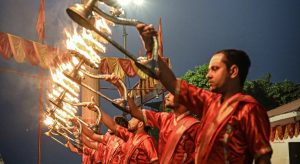
The Ganga Aarti in Rishikesh is not just a religious ceremony; it is a daily celebration of light, sound, and faith on the banks of one of India’s most sacred rivers. This deeply spiritual event takes place every evening and involves the offering of lamps, chants, and prayers to the River Ganga, considered a divine mother in Hinduism.
The ceremony typically begins with chanting of Vedic mantras, followed by bhajans or devotional songs. Devotees light oil lamps (diyas) and float them on the river as a symbol of hope, prayers, and gratitude.
- Lamps and incense are lit to invoke divine energy.
- Devotees clap and sing along to devotional hymns.
- Aarti thalis with fire bowls are rotated in a circular motion.
- Offerings of flowers, camphor, and ghee are made.
- Everyone participates silently or joins the chants.
What sets Rishikesh apart is the presence of several ashrams and spiritual centers where this Aarti is performed with utmost devotion and precision. It’s not just a sight to behold, but a spiritual experience that fosters a sense of calm and connection.
The ceremony reflects the purity and serenity of the river, blending tradition and emotion in one powerful ritual. Being present during this ritual provides a rare chance to disconnect from worldly distractions and reconnect with something far more meaningful.
What Time Does the Ganga Aarti Start in Rishikesh?
The timing of the Ganga Aarti in Rishikesh is closely aligned with the sunset. Although it’s a daily ritual, the exact start time can vary depending on the season and daylight hours. If you’re planning to attend, timing your visit well is essential for a fulfilling experience.
Typically, the evening aarti begins between 6:00 PM and 7:00 PM. However, during colder months, it often starts a bit earlier, while in the summer, the ceremony begins closer to dusk.
Ganga Aarti Timing:
| Season | Approx. Aarti Start Time | Duration | Arrival Suggestion |
| Winter (Nov–Feb) | 5:30 PM to 6:30 PM | 60–90 minutes | Arrive by 5:00 PM |
| Summer (Mar–Oct) | 6:00 PM to 7:00 PM | 60–90 minutes | Arrive by 6:00 PM |
| Festival Days | Flexible (Check Locally) | 90+ minutes | Arrive early |
It’s always best to check the current day’s timing with your hotel or a local authority, especially during special events or festivals. Being punctual will not only help you find a good spot but also allow you to settle into the spiritual energy before the ceremony begins.
Which Are the Best Places to Witness the Ganga Aarti in Rishikesh?
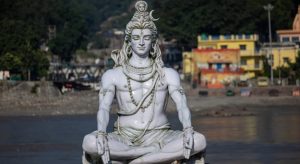
Rishikesh offers multiple locations where the Ganga Aarti is performed, each with its own unique charm and atmosphere. While the essence of the ritual remains the same, the setting and crowd dynamics vary based on where you choose to experience it.
Among the most renowned sites are Parmarth Niketan and Triveni Ghat, but other lesser-known ghats also offer serene and intimate experiences.
Parmarth Niketan
Parmarth Niketan is a well-known spiritual institution that attracts a mix of Indian devotees and international seekers. The aarti here is organized and led by young students studying the Vedas, adding a sense of youthful purity to the ritual. The ambiance is serene and disciplined.
Triveni Ghat
This is one of the busiest and most traditional spots to witness the aarti. With hundreds of people flocking daily, the Maha Aarti at Triveni Ghat is vibrant and filled with the sound of drums, bhajans, bells, and Vedic chants. It offers a more intense crowd-driven spiritual energy.
Shatrughan Ghat
For those seeking a peaceful, less-crowded experience, Shatrughan Ghat is a great alternative. The aarti here is more personal, making it easier to connect deeply with the ritual without distractions.
Cost Breakdown by Location
| Location | Entry Fee | Ambiance | Crowd Level | Best For |
| Parmarth Niketan | Free | Peaceful, organized | Moderate | Spiritual seekers, families |
| Triveni Ghat | Free | Lively, traditional | Highly crowded | Tourists, large groups |
| Shatrughan Ghat | Free | Quiet, serene | Least crowded | Solo travellers, reflection |
Choosing the right location can greatly influence your experience. Whether you prefer a grand public setting or a quieter spiritual moment, Rishikesh has a perfect ghat for everyone.
When Should You Arrive for the Best View of the Ganga Aarti?
Securing a good view for the Ganga Aarti can make a big difference in your overall experience. Since the ceremony is popular among tourists and devotees alike, reaching the ghat early is essential, especially during weekends and festivals.
Arriving early allows you to settle into a comfortable spot and absorb the ambiance before the aarti begins. It also helps you avoid the crowd rush and noisy distractions that can take away from the spiritual essence of the ritual.
- Arrive at least 30 to 45 minutes before the scheduled aarti.
- For Triveni Ghat, you may want to reach even earlier during peak season.
- Consider weekday visits for smaller crowds and a more intimate experience.
- Seating is on steps (ghats) or floors, so carrying a small mat is recommended.
- For photography, position yourself behind or to the side, not to block others.
If you’re visiting during winter, the aarti may start earlier, so plan accordingly. Confirm the day’s timing with your hotel or a local guide. Arriving early isn’t just about getting the best view; it’s about tuning into the sacred rhythm of the Ganga, feeling the shift in energy as the day ends, and allowing the ceremony to touch your soul deeply.
What Can You Expect During the Ganga Aarti Ceremony?
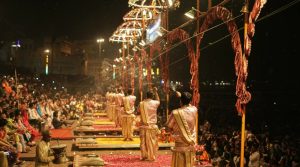
The Ganga Aarti is more than a visual treat, it’s a deeply moving experience that awakens the senses and calms the spirit. From the rhythmic chants to the glowing lamps floating on the river, every element of the ceremony is designed to elevate the atmosphere.
As you settle in and the sun begins to set, the ceremony starts with Vedic chants and the sound of conch shells. Priests dressed in saffron robes lead the proceedings, standing in sync and moving their brass lamps in circular motions, creating hypnotic patterns of light.
- Chants and Bhajans: Devotional songs are sung in unison.
- Fire Rituals: Large brass lamps are lit and waved by the priests.
- Offerings: Flowers, rice, and ghee are offered to the Ganga.
- Community Participation: Devotees sing, clap, or observe in silence.
- Floating Diyas: Many visitors light small diyas and float them in the river.
Cost Breakdown for Offerings and Participation
| Item | Approximate Cost (INR) | Purpose |
| Floating diya | ₹20 – ₹50 | Offered to the river |
| Puja thali (basic) | ₹100 – ₹200 | Contains incense, flowers, diya |
| Puja thali (premium) | ₹300 – ₹500 | Includes coconut, sweets, etc. |
| Reserved seating (rare) | ₹200 – ₹500 (if any) | Occasionally offered at ashrams |
As the Aarti reaches its peak, you’ll witness the collective devotion of hundreds of people praying in unison. It’s not just a visual performance, it’s a transformative moment that resonates deeply with everyone present.
What’s the Best Season to Attend the Rishikesh Ganga Aarti?
Rishikesh welcomes visitors throughout the year, but the season in which you visit can greatly affect your aarti experience. The best time to attend the Ganga Aarti depends on your preferences, whether you enjoy vibrant crowds, cooler weather, or a peaceful ambiance.
From October to February, the winter season offers crisp weather and clear skies. It’s a popular time, so expect more people. If you prefer less crowd but still want pleasant weather, March to May is moderately busy. The monsoon season, from June to September, sees fewer tourists but brings lush green surroundings and occasional rain.
- Winter: Cool breeze, clear views, spiritual ambiance.
- Spring: Moderate heat, balanced crowd, scenic beauty.
- Monsoon: Peaceful environment, but occasional rain and wet seating.
Seasonal Breakdown Table:
| Season | Temperature Range | Crowd Level | Aarti Experience |
| October – February | 8°C to 34°C | High | Crisp, spiritual, festive |
| March – May | 24°C to 36°C | Moderate | Warm, colorful, engaging |
| June – September | 24°C to 35°C | Low | Serene, humid, fewer crowds |
If you’re planning a once-in-a-lifetime trip, aim for November or early March when the energy is high but still manageable. For peaceful contemplation, the monsoon months offer a quieter, introspective version of the ritual.
Are There Any Tips for First-Time Visitors to the Ganga Aarti?
Attending the Ganga Aarti for the first time can feel overwhelming due to the crowd, rituals, and spiritual energy. Knowing what to expect and how to behave helps you make the most of your experience while respecting the sanctity of the event.
Dress Code and Behavior
- Wear modest and comfortable clothing, ideally in light cotton.
- Avoid flashy or overly revealing outfits.
- Remove shoes before entering the ghat area.
Do’s and Don’ts
- Do arrive early to avoid crowd rush and secure your spot.
- Do maintain silence or join the bhajans respectfully.
- Do not use flash photography.
- Do not step into restricted priest areas or block ritual paths.
Participation Tips
- Buy a floating diya and make a wish before releasing it into the river.
- Keep your phone on silent during the ceremony.
- Use designated bins for disposing of waste.
- Follow instructions from ashram volunteers or priests.
Visitor Tip Table
| Tip | Why It Matters |
| Arrive 30–45 mins early | Helps you find the best viewing position |
| Carry a mat or shawl | Comfortable seating on concrete steps |
| Avoid peak weekends if possible | More peaceful experience on weekdays |
| Ask before photographing priests | Show respect to their sacred role |
Your behavior contributes to the spiritual harmony of the space. Respect the tradition and let the collective energy guide your participation in this beautiful ceremony.
How to Reach the Ganga Aarti Locations in Rishikesh?
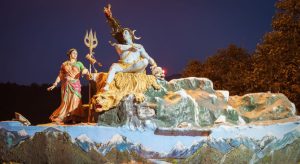
Getting to the Ganga Aarti spots in Rishikesh is relatively straightforward, as they are located within or near the main town. You can choose from various transport options depending on your starting point and budget.
If you’re coming from out of town, nearby transport hubs include Rishikesh Railway Station (1 km away), Jolly Grant Airport in Dehradun (18–22 km), and Rishikesh ISBT Bus Stand (approx. 1 km).
- By Taxi: Private taxis are available from Haridwar, Dehradun, or local hotels.
- By Auto-Rickshaw: Easily accessible and affordable within town.
- By Walking: Parmarth Niketan is about 500 meters from Ram Jhula; perfect for a short walk.
- By Private Vehicle: Parking is limited near Triveni Ghat, especially for large vehicles.
If you’re already in Rishikesh, walking or taking an auto-rickshaw is the most convenient way to reach the ghats. It’s best to avoid driving your own car due to limited parking and narrow streets near the riverbanks. Plan your travel time wisely to ensure you arrive with time to spare before the ceremony begins.
Why Should You Not Miss the Ganga Aarti When Visiting Rishikesh?
The Ganga Aarti in Rishikesh is more than just an event, it’s an experience that stays with you long after you leave. It symbolizes the deep spiritual roots of India and reflects the essence of devotion, community, and peace.
As the sky turns shades of orange and purple, the chanting grows louder and the lamps glow brighter. The ceremony offers a moment of connection, not only with the divine but with fellow devotees and the sacred Ganga herself.
- It’s a window into India’s spiritual heart.
- You’ll witness ancient rituals in a living tradition.
- It provides an ideal ending to a day of yoga, meditation, or exploration.
- The ceremony is emotionally fulfilling, even for non-religious visitors.
You don’t need to be spiritual to appreciate its beauty. The energy, emotion, and unity of the crowd during the Ganga Aarti offer a rare and unforgettable experience that speaks to the soul of every traveler.
Conclusion
Rishikesh’s Ganga Aarti is not just about observing a ritual, it’s about immersing yourself in a deep spiritual tradition that dates back centuries. Knowing the right timing, location, and preparation helps you experience it in its full beauty and intention.
Whether you’re watching from the vibrant Triveni Ghat or the peaceful Parmarth Niketan, every moment of the Aarti connects you with something larger than yourself.
The key lies in planning well, arriving early, and embracing the ceremony with an open heart. Don’t just visit Rishikesh, experience it through the divine light of the Ganga Aarti.
FAQs
What is the best time to attend the Rishikesh Ganga Aarti?
The best time to attend is between 6 PM and 7 PM, based on sunset. Winter aartis may begin earlier, around 5:30 PM.
Is there any ticket or entry fee to attend the Ganga Aarti?
No, the Ganga Aarti is completely free and open to everyone. However, optional donations and offerings are welcomed.
Which ghat in Rishikesh is best for the Ganga Aarti?
Parmarth Niketan is ideal for a peaceful experience, while Triveni Ghat is more lively and crowded. Shatrughan Ghat offers a serene alternative.
How long does the Ganga Aarti ceremony last?
The ceremony typically lasts 60 to 90 minutes. Festival days may extend the duration.
Can tourists participate in the Ganga Aarti?
Yes, tourists are welcome to join by offering lamps or simply observing with respect. Participation adds to the spiritual experience.
Is photography allowed during the Ganga Aarti?
Photography is allowed, but flash should be turned off. Be respectful and avoid disturbing others.
How can I confirm the exact aarti timing during my visit?
You can check with your hotel or local authorities. Aarti timing is sunset-dependent and may change slightly daily.
Recent Posts